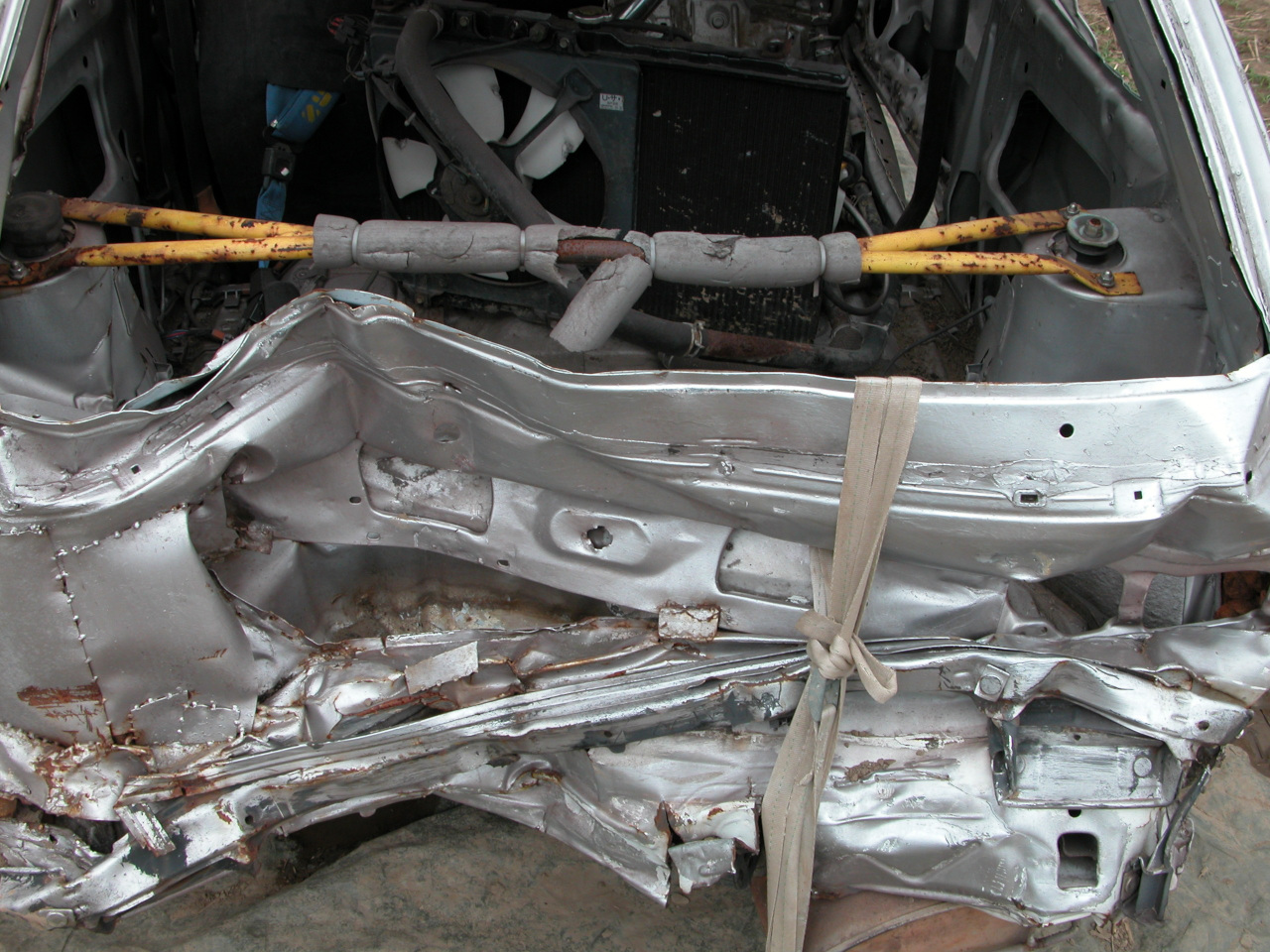
A collision can cause damage that goes far beyond dents and scratches. Even when your vehicle looks relatively normal, an impact can bend the frame, shift structural components, or affect the alignment of important parts.
Structural damage can affect your vehicle’s safety, handling, and long-term reliability. Knowing the warning signs and having your vehicle inspected after an accident can help identify problems before they become more serious.
Key Takeaways
- Structural damage isn’t always visible. A professional inspection can uncover problems hidden beneath body panels.
- Proper repairs involve measuring the vehicle’s structure and following manufacturer-approved repair procedures.
- Warning signs include doors that no longer close properly, uneven body panel gaps, steering changes, and unusual tire wear.
- If you suspect serious structural damage, avoid driving the vehicle until a qualified professional determines whether it’s safe.
Why Structural Damage Is More Than a Cosmetic Problem
Your vehicle’s structure is designed to help manage the forces generated during a collision. When the frame or unibody structure is damaged, it can affect how the vehicle performs and how well its safety features work as intended.
For example, a damaged section behind a bumper may not be visible from the outside, but it could affect nearby mounting points or other structural components. A collision can also damage suspension components or affect wheel alignment, creating handling problems that aren’t immediately obvious.
Here’s a look at some common concerns:
| Type of Damage | Possible Signs | Why It Matters |
|---|---|---|
| Frame or structural damage | Uneven panel gaps or visible bends | May affect structural integrity and crash protection |
| Alignment problems | Vehicle pulls to one side or steering wheel sits crooked | Can affect handling and tire wear |
| Hidden collision damage | Little visible damage despite a significant impact | Problems may remain undetected without an inspection |
A vehicle that looks fine on the outside may still need structural repairs. That’s why it’s worth having the damage assessed after a collision, even if the visible damage seems minor.
How Structural Damage Can Affect Vehicle Safety
Modern vehicles are engineered with specific structural dimensions and designated areas designed to manage collision forces. Damage to these areas can compromise their intended performance in a future accident.
Structural damage may also affect the mounting or operation of safety-related components. Depending on the collision, the vehicle may need additional inspections, repairs, or safety system checks.
Simply straightening a visible panel or covering damage with fresh paint won’t address an underlying structural problem.
Professional structural repair involves identifying the damaged areas and determining the appropriate repair or replacement procedures for your vehicle.
Warning Signs Your Vehicle May Need Structural Repair
After an accident, pay attention to changes in how your vehicle looks, closes, and drives. Some signs are easy to spot, while others may become apparent only after you start using the vehicle.
Changes in Body Panel Alignment
Check whether the doors, hood, and trunk line up as they did before the collision. Uneven gaps, panels that appear out of position, or doors that suddenly become difficult to close may indicate damage beneath the exterior.
Steering or Handling Problems
If your vehicle begins pulling to one side, the steering wheel sits off-center, or you notice unusual shaking after an accident, have it inspected. These symptoms can result from alignment or suspension problems and may warrant a closer look at the vehicle’s structure.
Unusual Tire Wear
Tires that wear unevenly may indicate an alignment issue or damage to suspension components. If the problem develops after a collision, a professional inspection can help identify the cause.
Visible Bends or Creases
Look for unusual creases or buckling around the vehicle’s body, roof, door openings, and other areas affected by the impact. These signs may indicate damage that extends beyond the outer body panels.
None of these symptoms proves that your vehicle has structural damage, but any new problem following a collision deserves attention.
| Warning Sign | What to Check | Possible Concern |
|---|---|---|
| Doors or trunk won’t close normally | Latching problems or uneven gaps | Misaligned body openings |
| Visible creases or buckling | Damaged body or structural areas | Impact-related deformation |
| Steering changes | Pulling, shaking, or an off-center steering wheel | Alignment, suspension, or structural damage |
| Uneven tire wear | One tire wearing faster than others | Alignment or suspension problems |
What Happens During Structural Repair?
Professional structural repair involves more than making a vehicle look straight again. Technicians must determine how the collision affected the vehicle and follow the appropriate procedures to address the damage.
1. Inspecting and Measuring the Vehicle
The process begins with an assessment of the collision damage. Technicians may use specialized measuring equipment to compare key structural points against the vehicle manufacturer’s specifications.
These measurements can reveal damage that isn’t apparent from the outside. In some cases, body panels or other components must be removed to access damaged areas and obtain accurate measurements.
2. Repairing the Damaged Structure
Once the extent of the damage is understood, technicians determine whether affected components can be repaired or need replacement.
When straightening is appropriate, specialized equipment applies controlled force to bring the structure back within the manufacturer’s specified dimensions. Damaged components that cannot be safely repaired may need to be replaced instead.
The correct approach depends on the vehicle’s design, the location of the damage, and the manufacturer’s repair procedures.
3. Checking the Completed Repairs
After the structural work is completed, technicians can take additional measurements to verify that the repaired areas meet the applicable specifications.
Related components may also need inspection to identify damage caused by the collision. Depending on the repairs, additional alignment work or safety system checks may be necessary.
The goal is to address the underlying damage rather than simply improve the vehicle’s appearance.
Why You Shouldn’t Ignore Structural Damage
Putting off an inspection can leave important problems undetected. If collision damage affects your vehicle’s alignment or suspension, continued driving may contribute to additional wear or make handling problems worse.
For example, a vehicle with a damaged suspension component may develop uneven tire wear. Without identifying the underlying cause, replacing the tires alone won’t resolve the problem.
If you notice new steering issues, unusual noises, visible structural damage, or doors that no longer fit properly after an accident, arrange an inspection promptly.
If you suspect serious structural damage, don’t continue driving simply because the vehicle still runs. Have a qualified professional determine whether it is safe to operate. If its safety is uncertain, arrange a tow.
Structural Repair FAQs
Can You Drive a Vehicle With Structural Damage?
It depends on the type and severity of the damage, but driving a vehicle with suspected structural damage can be unsafe.
Damage may affect handling, suspension components, or the vehicle’s ability to provide its intended crash protection. If you notice significant changes after a collision, have the vehicle assessed before driving it again. Arrange a tow if it may be unsafe to operate.
What’s the Difference Between Structural and Cosmetic Damage?
Cosmetic damage affects a vehicle’s appearance, such as scratches, paint chips, or minor dents.
Structural damage affects the frame, unibody structure, or other components that contribute to the vehicle’s strength and alignment. Some damage can involve both categories, which is why a professional inspection is important after a collision.
Can a Vehicle Have Structural Damage Without Visible Signs?
Yes. Damage can occur behind bumpers, beneath body panels, or in other areas that aren’t readily visible.
A vehicle may look relatively normal even when important components have shifted or become damaged. Specialized inspections and measurements can help identify these problems.
How Do I Prepare for a Structural Damage Inspection?
A few simple steps can help the repair shop understand what happened:
- Take photos of the vehicle and visible damage after the collision, if it is safe to do so.
- Note any changes in steering, handling, or unusual noises.
- Point out doors, panels, or other components that no longer fit or operate normally.
- Bring relevant insurance claim information if you are filing a claim.
This information can help the technician assess the damage and determine what needs further investigation.
Get Professional Structural Repair at Your Body Shop
After an accident, it’s not always easy to know whether your vehicle needs cosmetic repairs or more extensive structural work. A professional inspection can help you understand the damage and make an informed decision about the next steps.
At your body shop, you can get expert structural repairs and precision frame straightening to address collision-related damage. The team can assess your vehicle, explain the recommended repairs, and help you understand your options before work begins.
Here’s how the shop can help:
| Your Needs | How Your Body Shop Can Help |
|---|---|
| Frame misalignment | Precision frame straightening |
| Collision-related structural damage | Professional structural repair |
| Understanding the damage | Free inspection |
| Planning repair costs | Free estimate |
| Insurance claim coordination | Works with all insurance companies |
What to Expect When You Contact the Shop
The first step is to arrange an inspection so the damage can be evaluated. Once the vehicle has been assessed, the shop can explain the recommended repairs and provide an estimate.
If you’re working with an insurance company, your body shop can work with your insurer as part of the repair process. Coverage, approvals, and payment responsibilities depend on your policy and claim.
Having a clear understanding of the damage and proposed repairs helps you make an informed decision about getting your vehicle back on the road.
Schedule Your Free Structural Repair Inspection
Structural damage isn’t always obvious, but addressing it properly matters for your vehicle’s safety, handling, and long-term condition.
If your vehicle has been in an accident, don’t rely on its appearance alone to determine whether it’s safe. Let the body shop assess the damage and explain what repairs may be needed.
Leave a Reply