Structural Repair
Making your car safe again.
Restoring Your Vehicle’s Structure, Safety, and Appearance
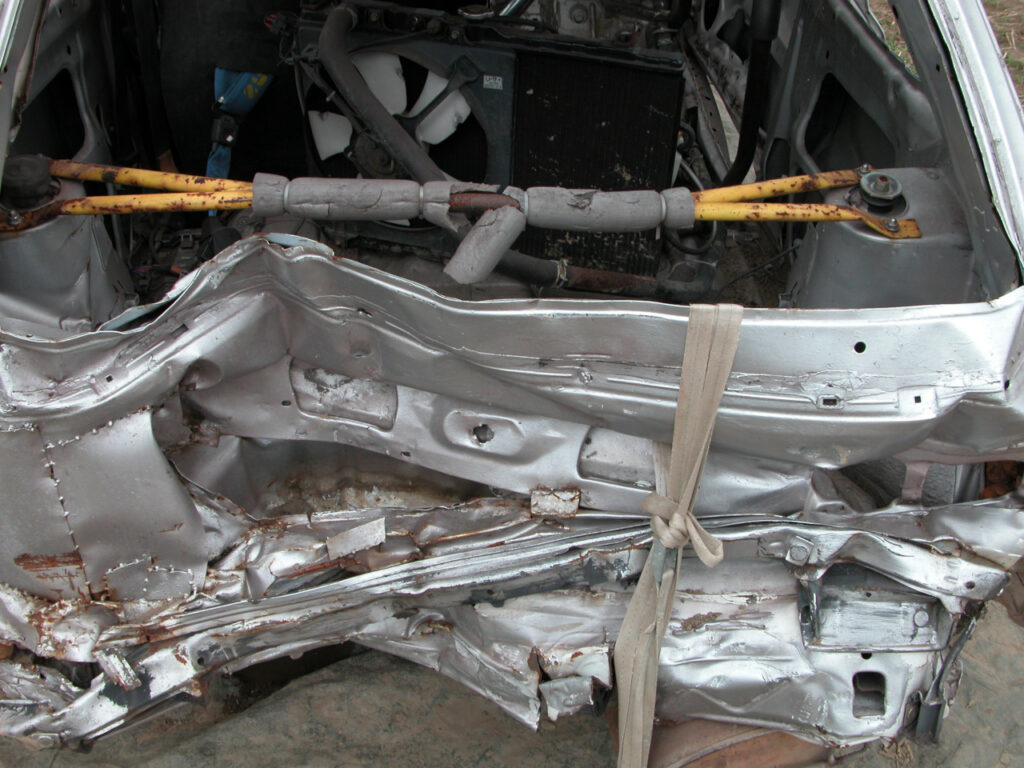
An accident can cause more damage to your vehicle than what you see on the surface. Even a collision that leaves only a few visible dents can affect the frame, structural components, and alignment of your vehicle.
Our auto body structural repair services address damage caused by collisions and help restore your vehicle to the manufacturer’s specifications. From inspecting hidden damage to repairing or replacing damaged structural components, we work to get your vehicle back on the road in the condition it needs to be.
Contact us today to schedule an inspection and learn more about your vehicle’s repair options.
What’s Involved with Structural Repair
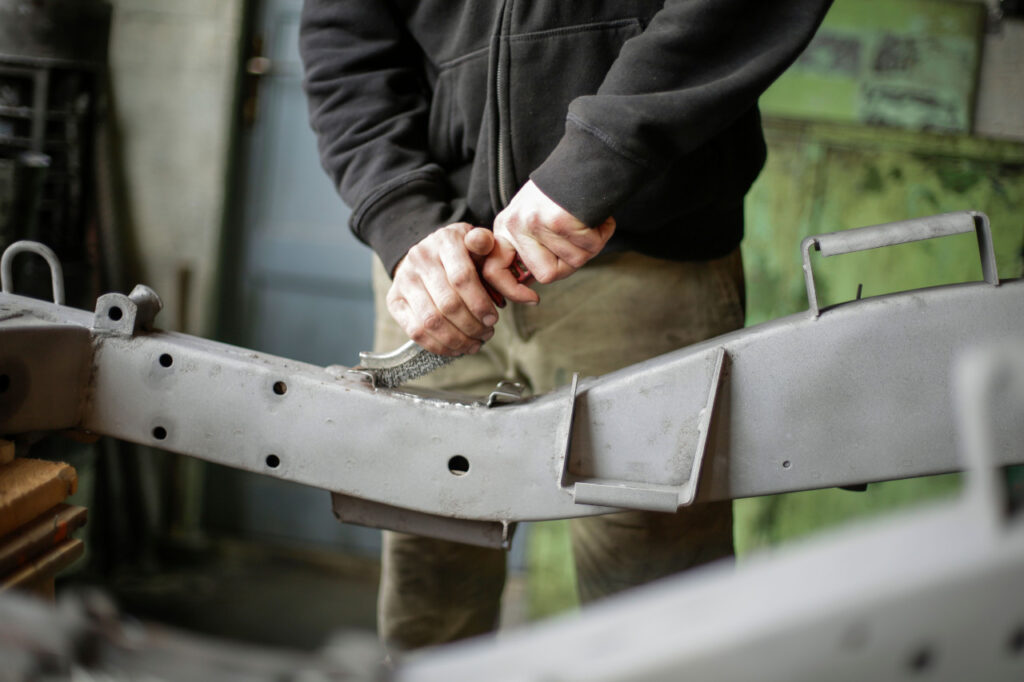
Structural repair involves fixing damage to the framework and supporting components that help maintain your vehicle’s shape, stability, and crash protection. Unlike cosmetic repairs that focus on dents, scratches, and paint damage, structural repairs address the underlying parts of your vehicle that may have been affected by an impact.
Depending on the vehicle and the extent of the damage, structural repairs may involve the frame, unibody structure, supporting rails, or other damaged components.
Proper structural repair is important because damage to these areas can affect how your vehicle handles, how its components fit together, and how well its safety systems perform.
Signs Your Vehicle May Need Structural Repair
Not all structural damage is easy to spot. After an accident, certain warning signs may indicate that your vehicle needs a closer inspection.
- Uneven gaps between body panels: Doors, hoods, or trunk lids may no longer line up properly.
- Doors that are difficult to open or close: A shift in the vehicle’s structure can affect door alignment.
- Visible frame or body damage: Bent metal, buckled panels, or unusual creases may indicate damage beneath the surface.
- Alignment problems: Your vehicle may pull to one side or have steering issues following a collision.
- Uneven tire wear: Structural damage can affect wheel alignment and suspension geometry.
- Unexpected noises: New rattling, creaking, or other unusual sounds may indicate damage that needs investigation.
Even if your vehicle looks fine after an accident, hidden structural damage may still be present. Having it inspected can help identify problems before they lead to additional repairs.
Our Structural Repair Process
Every collision is different, so the repair process depends on the type of vehicle, the location of the damage, and its severity. Our goal is to identify the damage and determine the appropriate repairs for your vehicle.
1. Damage Inspection
We examine the vehicle for visible and hidden damage to identify structural components that may have been affected by the collision.
2. Repair Planning
Once the damage has been assessed, we determine which components can be repaired and which may need replacement. The repair plan is based on the vehicle manufacturer’s repair procedures and the extent of the damage.
3. Structural Repairs
Using the appropriate equipment and repair methods, damaged structural components are repaired or replaced as required. Depending on the vehicle, this may involve measuring the structure, correcting alignment, or replacing damaged sections.
4. Final Inspection
After repairs are completed, the affected areas are checked to help confirm that the work meets the applicable repair specifications. Related systems and components may also require inspection or calibration.
Why Proper Structural Repair Matters
Your vehicle’s structure plays an important role in its overall safety and performance. When that structure is damaged, simply repairing the exterior may not be enough.
Professional structural repair helps address several important concerns:
- Vehicle safety: Proper repairs help restore the structure’s intended crash-protection characteristics.
- Correct alignment: Restoring structural dimensions helps ensure that body panels, doors, and related components fit properly.
- Driving performance: Structural damage can affect wheel alignment and the operation of related components.
- Long-term vehicle condition: Addressing hidden damage can help prevent ongoing fitment problems and additional repair costs.
- Vehicle value: Documented, properly completed collision repairs can help when it comes time to sell or trade in your vehicle.
The right repair approach depends on the damage and your vehicle’s construction. Some vehicles use traditional frame designs, while others rely on a unibody structure. Each requires the appropriate repair procedures and equipment.
Structural Repair After an Accident
If your vehicle has been involved in a collision, don’t assume that the visible damage tells the whole story. An impact can affect areas behind bumpers, beneath body panels, and within the vehicle’s supporting structure.
A professional inspection can help determine the full extent of the damage and identify the repairs needed to return your vehicle to its intended condition.
Whether you’re dealing with a front-end collision, rear-end impact, or side collision, we’ll help you understand the damage and the next steps involved in getting your vehicle repaired.
Schedule Your Structural Repair Inspection
Getting into an accident is stressful enough without worrying about whether your vehicle has been repaired correctly. Our structural repair services are designed to address collision damage and help restore your vehicle’s structure and appearance.
Contact us today to schedule an inspection or request an estimate for structural auto body repair. We’ll help you understand your repair options and what your vehicle needs to get back on the road.